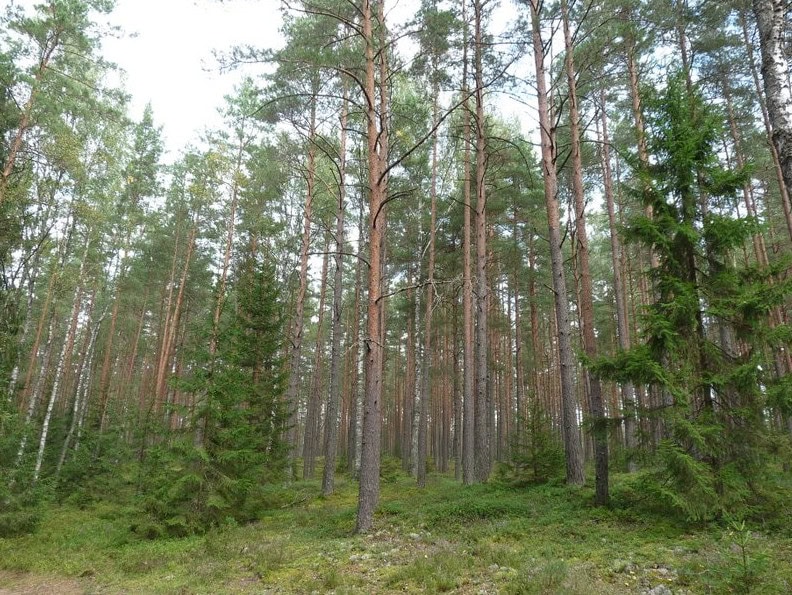
This article examines the complex experiences and militarization of Jewish partisans operating in the forests of Lithuania and Belarus between 1941 and 1944. Escaping brutal ghetto liquidations and mass shootings, these individuals joined Soviet partisan networks, transforming from persecuted civilians into active guerrilla fighters.
The paper highlights the profound tensions Jewish partisans faced. Beyond fighting Nazi occupiers and local collaborators, they frequently encountered deep-seated anti-Semitism from Soviet commanders and peers. Unarmed escapees were often turned away or forced to prove themselves through dangerous missions, and separate Jewish units—such as those in the Narocz and Rudniki forests—were frequently disbanded or reorganized. Furthermore, strict Soviet military codes resulted in harsh disciplinary measures and summary executions for Jewish fighters.
Despite these obstacles, Jewish partisans made vital contributions to resistance efforts. They engaged in railway sabotage, intelligence gathering, and direct combat operations, while skilled individuals established crucial workshops to repair and manufacture weapons. Navigating a dual identity as both targets of racial extermination and armed combatants, these survivors utilized the partisan movement not only to secure their survival, but to actively resist and exact revenge against Nazi Germany.
Ozacky-Stern, D. (2025). Militarization of Jews in Soviet Partisan Units in Lithuania and Belarus during World War II. In G. Rossolinski-Liebe (Ed.), Operation Barbarossa and Its Aftermath: New Approaches to a Complex Campaign. New York: Berghahn Books, 107-129.