Dr. Daniela Ozacky-Stern’s academic article, “Executions of Jewish Partisans in the Lithuanian Forests: The Case of Natan Ring,” explores the harsh, complex, and frequently suppressed realities of internal violence within the Soviet partisan movement during World War II. While historical narratives often romanticize Jewish partisan resistance as a heroic counterpoint to the passivity of the ghettos, this study investigates the dark underbelly of forest life—specifically, the strict disciplinary regimes, political rivalries, and controversial executions carried out among the partisans themselves, sometimes by fellow Jews.
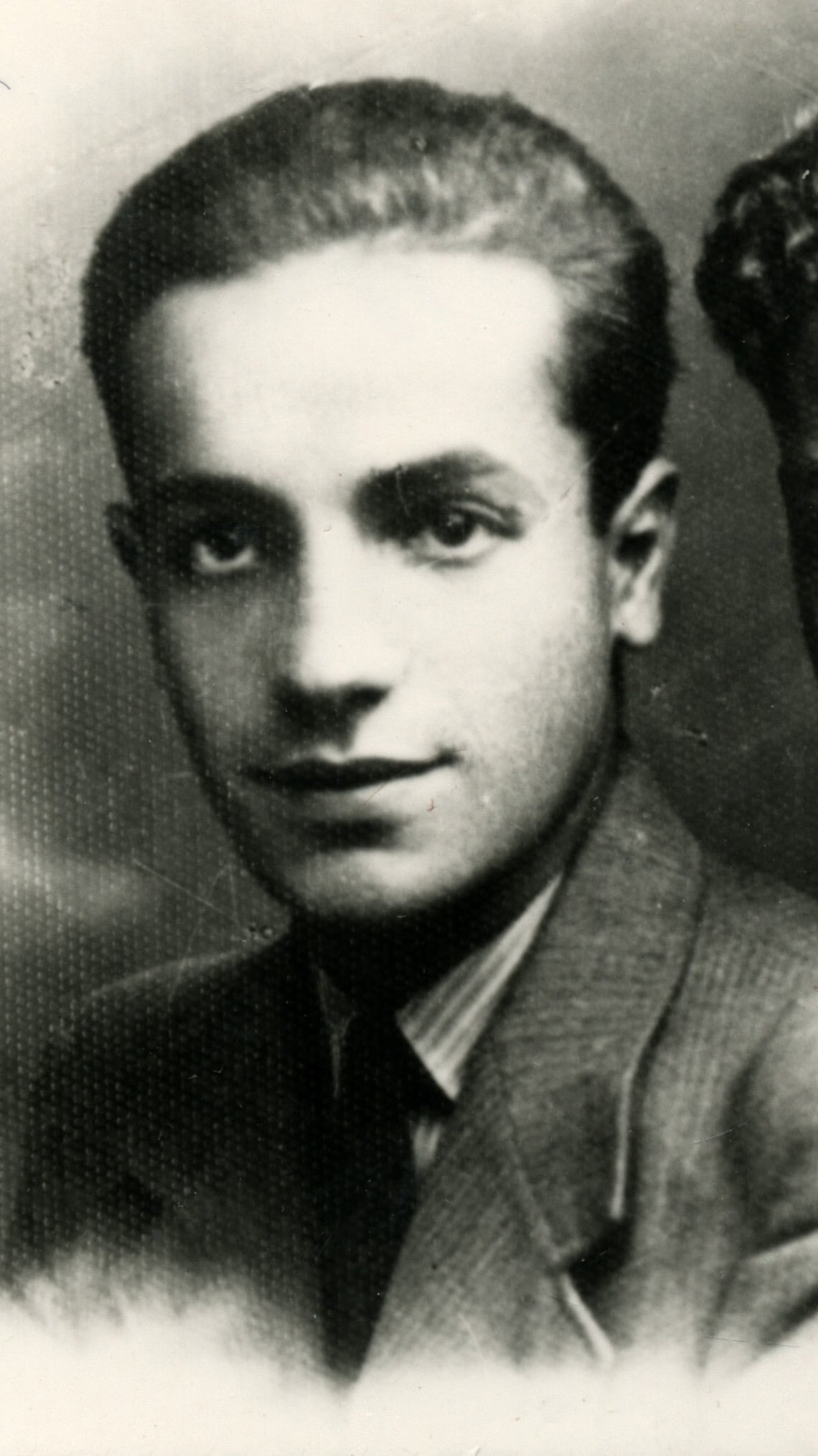
The article centers on a notorious case study: the execution of Natan Ring, a former officer in the Vilna Ghetto police, along with three of his companions in the Rudniki forests in early November 1943. Ring and his men had escaped the ghetto to join the partisans, but they were soon targeted by the camp’s leadership—including prominent figures like Aba Kovner, Chiena Borovska, and Isser Shmidt—as well as the newly arrived Soviet NKVD “special division.” Ring was accused of collaborating with the Gestapo and participating in the brutal October 1942 Oszmiana ghetto action while serving as a Jewish policeman.
However, Ozacky-Stern demonstrates that the allegations against Ring served as a convenient pretext driven by a confluence of political, ideological, and personal motives. As a former Beitar member and Judenrat police officer, Ring represented an easy target for communist partisans eager to align with Soviet directives, eliminate political rivals, and assert control over independent-minded groups like the “Yechiel Group.” Although Ring had helped smuggle weapons into the ghetto and saved individual lives, his association with the gray zone of ghetto administration made him vulnerable. His trial was swift, secretive, and lacked due process, culminating in a firing squad execution that left deep psychological scars and enduring bitterness among many survivors.
Drawing on an extensive array of cross-referenced testimonies, oral histories, and archival diaries—including those of Chaim Lazar and various partisans recorded decades after the war—the study highlights the sharp contradictions in how Ring was remembered. While some viewed him through the lens of wartime betrayal, many others praised his courage, leadership, and humanitarian acts inside the ghetto, condemning his execution as a politically motivated lynching born of jealousy and factionalism.
Ozacky-Stern’s research challenges the monolithic hero myths deeply embedded in early Israeli collective memory. By dragging these suppressed historical episodes into the light, the article underscores the agonizing moral compromises, interpersonal brutality, and impossible survival dilemmas that characterized the Jewish partisan experience in the Lithuanian and Belarusian forests.
Ozacky-Stern, D. (2021). Executions of Jewish Partisans in the Lithuanian Forests – The Case of Natan Ring. International Journal of Military History and Historiography 40: 219-244.
DOI: 10.1163/24683302-bja10001