Opinion: As antisemitism raises its alarming head once more, the ghetto philosophy of Dr. Zelig Kalmanovich offers a powerful and unexpected perspective on Jewish resistance
Beyond bullets and bombs: Lessons of faith, pragmatism, and survival from the vilna ghetto for countering antisemitism today
The diaries of Dr. Zelig Kalmanovich, a prominent scholar and Yiddish expert in the Vilna Ghetto, provide a poignant and deeply personal window into the agonizing dilemmas faced by individuals trapped under Nazi tyranny. Before the war, Vilna was a vibrant center of Jewish learning and culture. The 1941 Nazi invasion shattered this world, confining the Jewish population to a suffocating ghetto where Kalmanovich turned to writing to record his existential struggles, philosophical musings, and unwavering faith.
Central to Kalmanovich’s worldview was his deep devotion to Judaism and the “sacred triad” of the Land of Israel, the Torah, and God, which anchored his enduring optimism. He passionately championed the preservation of spiritual and cultural life—such as schools, libraries, and lectures on the “victory of the spirit”—viewing intellectual and religious endurance as a powerful weapon of defiance against Nazi attempts to extinguish the Jewish soul.
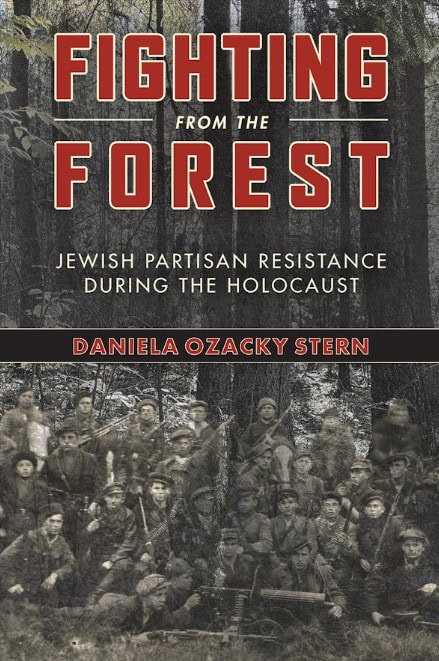
However, Kalmanovich’s legacy is marked by complex controversies, particularly regarding resistance. Unlike underground factions like the FPO, which viewed armed struggle as essential, Kalmanovich strongly disapproved of armed uprisings inside the ghetto, fearing catastrophic Nazi reprisals against the broader population. He maintained that those who wished to fight should escape to join partisans elsewhere. Furthermore, his pragmatic and empathetic stance toward the difficult choices forced upon the Judenrat and Jewish police revealed the crushing weight of moral compromises made under extreme duress.
Kalmanovich’s tragic story ended with his death from hardship and illness in an Estonian forced labor camp, yet his final words—expressing pride in his son who had settled in the Land of Israel—reflected an enduring legacy. Ultimately, his writings challenge modern observers to grapple with the multifaceted nature of resistance, demonstrating that cultural preservation and spiritual fortification are profound responses to tyranny and vital tools for confronting contemporary antisemitism.