This lecture examines the complex experiences of Jewish partisans operating in the forests of Lithuania and Belarus during the Second World War.
The Forest as a Theatre of War: Jewish Partisans during The Second World War
Following the brutal “Holocaust by Bullets” and the systematic liquidation of ghettos, thousands of Jews sought refuge in nearby forests. For these urban survivors, the forest transformed into a harsh theater of war and an unfamiliar, savage physical environment where they had to quickly adapt to guerrilla warfare.
The lecture highlights the tremendous hurdles Jewish escapees faced upon reaching the woods. Unarmed arrivals were frequently met with skepticism or outright rejection by Soviet partisan units, and many endured pervasive antisemitism and distrust from non-Jewish peers. Despite lacking prior military training, Jewish fighters overcame these barriers—utilizing instructional manuals, establishing clandestine weapons repair workshops, and mastering irregular combat tactics. They engaged in high-stakes sabotage, intelligence-gathering, railway destructions, and punitive actions against collaborators.
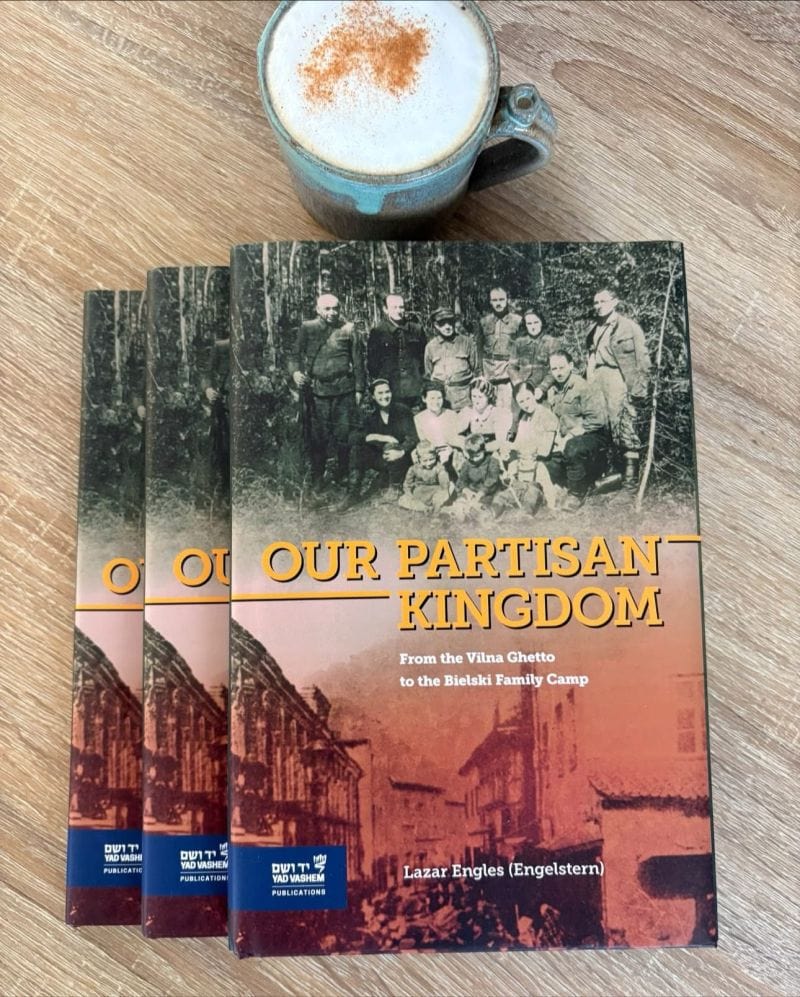
Furthermore, the presentation explores the creation of unique structures such as Jewish family camps—exemplified by the Bielski brothers’ camp—which prioritized rescue and shelter for vulnerable non-combatants. Balancing a dual identity as both persecuted racial targets and armed combatants, Jewish partisans rejected passive victimhood. Ultimately, the lecture reveals a nuanced reality: while life in the forest was fraught with existential anxiety, danger, and severe hardships, partisan affiliation significantly increased survival odds, allowing survivors to actively resist, protect others, and exact rightful vengeance against Nazi oppression.
Held at Divinity, Cambridge on Tuesday 16 May 2023
Watch the lecture here: