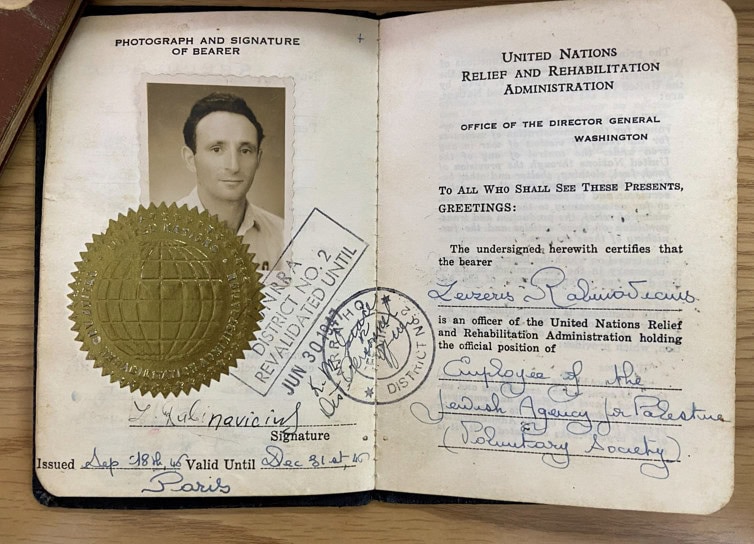
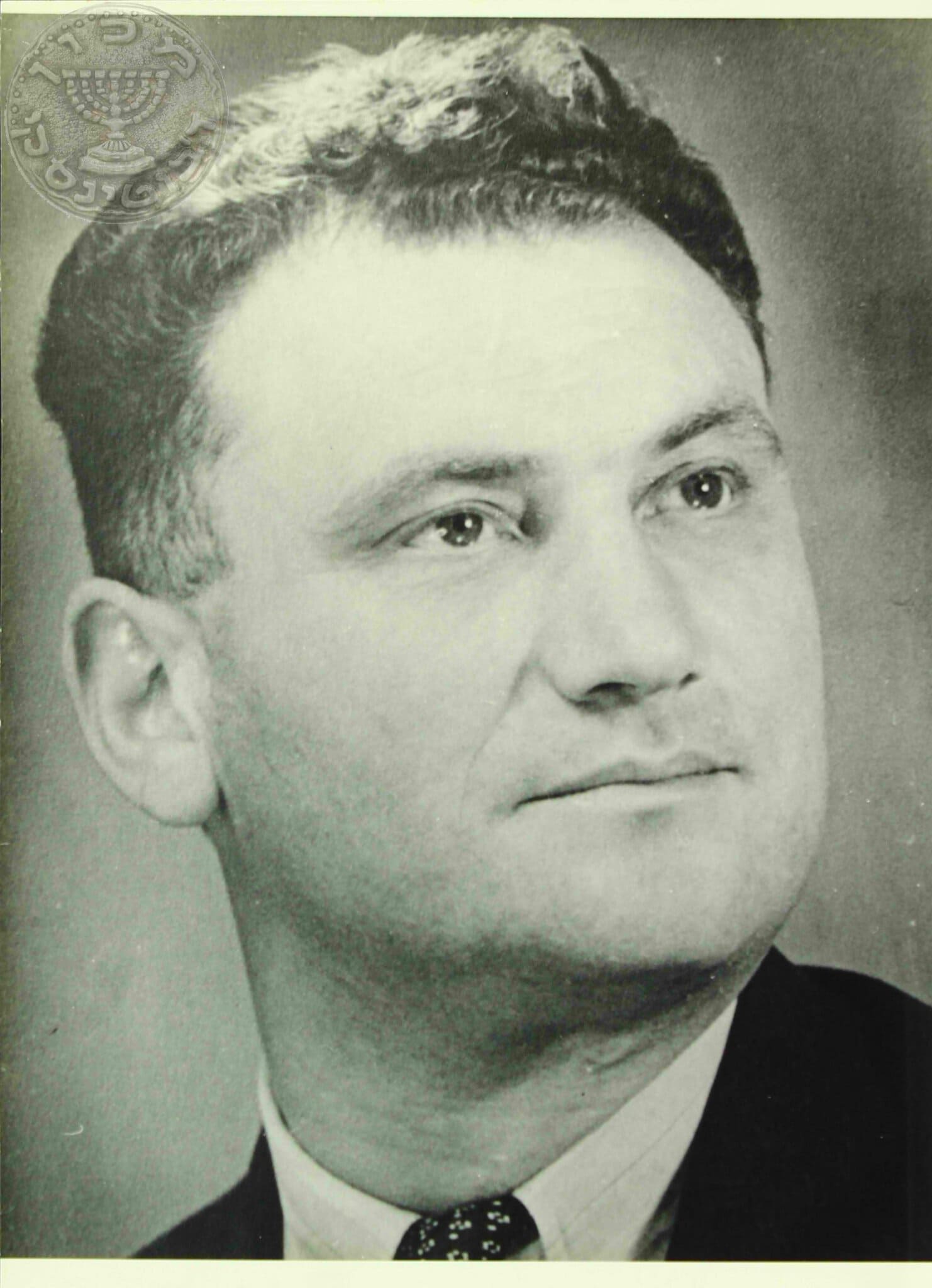
This research explores the remarkable post-war rehabilitation of hundreds of orphaned Jewish children at the Lindenfels children’s home in southern Germany, operating under the leadership of emissary Eliezer Rabinovich.
Reclaiming Childhood After the Holocaust: Eliezer Rabinovich and the Lindenfels Children’s Home
Following the Holocaust, surviving children faced severe physical deprivations, profound psychological trauma, and a complete loss of trust in adults and the moral universe. These children arrived with varied backgrounds, ranging from “camp children” marked by extreme trauma to those who had survived in hiding or in the Soviet Union.
To address these diverse needs, Lindenfels implemented three unique, complementary rehabilitation models under one roof. The Odenwald Hotel offered strict discipline, rigid routines, and silent meals, providing a desperately needed psychological framework after years of chaos. In stark contrast, the Victoria Hotel prioritized freedom, play, theater, and artistic expression, allowing children to reclaim a lost childhood and process trauma. Additionally, a Mizrachi religious Zionist home offered healing through a return to traditional Jewish life and religious practices.
Central to this enterprise was Eliezer Rabinovich, a Kaunas-born educator who arrived in 1946 as a Jewish Agency emissary. Alongside young survivor-educators, Rabinovich and his team worked around the clock to provide existential security, using kibbutz-style daily routines, ideological ceremonies, and wall newspapers to help children process their emotions. Although personal pasts were rarely formally discussed in groups, the overarching goal was future-oriented: preparing the children for immigration to Eretz-Israel. Rabinovich notably selected and smuggled fifty Lindenfels children to join the historic Exodus voyage, sharing in their heartbreaking forced return by the British.
Personally, Rabinovich paid a heavy toll, spending two years away from his young family in Israel and carrying lifelong emotional wounds that he rarely discussed until writing his memoirs at age 75. Ultimately, the Lindenfels children’s home stands as a pioneering testament to post-trauma rehabilitation, demonstrating how dedicated human connection, structure, and purpose could help shattered children reclaim their childhood and rebuild their lives.