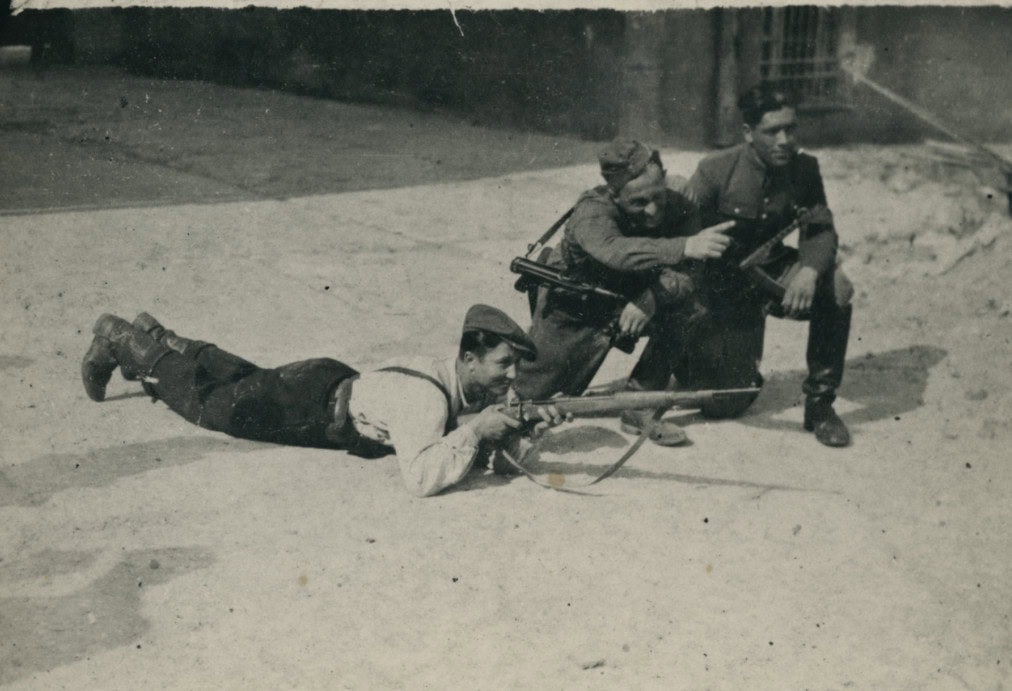
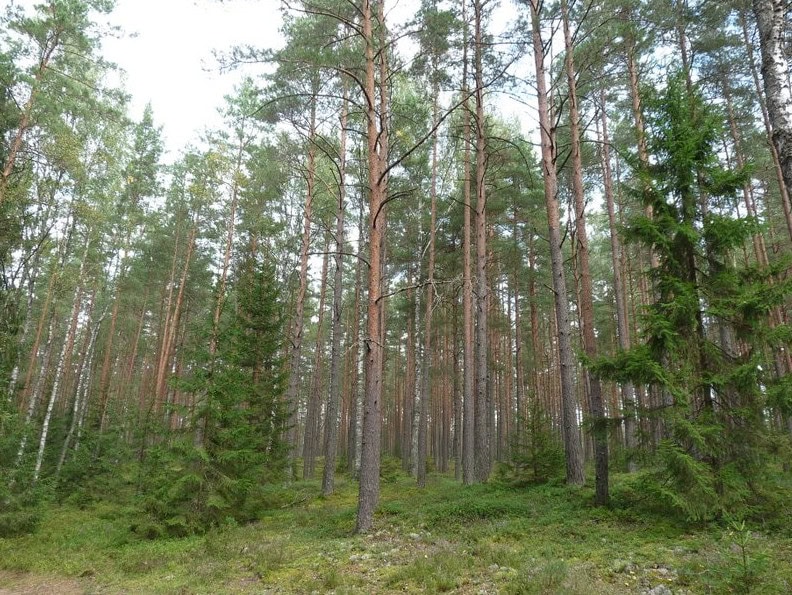
This article examines the transformation of Jewish victims into active fighters during the Holocaust, focusing on those who escaped from ghettos to join partisan units in the forests of Belarus. The study highlights the psychological shift from helplessness to empowerment experienced by these individuals, exploring their motivations, challenges, and strategies for survival and resistance. Using the Jewish partisans of the Narocz forest as a central case study, the research draws on survivors’ testimonies to provide insights into the complex dynamics of this transition.
The chapter investigates the decision-making process behind escaping to the forests, the dangers involved, and the moral dilemmas faced by those leaving family members behind. It examines the acquisition of military skills, adaptation to harsh living conditions, and the formation of new communities within partisan units. Additionally, the study explores the role of revenge as a motivating factor and the impact of these experiences on postwar Jewish identity and collective memory.
Analysing these narratives contributes to a more nuanced understanding of Jewish agency and resistance during the Holocaust, challenging simplistic portrayals and highlighting the multifaceted nature of survival in extreme circumstances.
Ozacky-Stern, D. (2025). From Victims to Fighters: Jews in the Belarusian Partisan Forests. S:I.M.O.N. 12: 116-128.