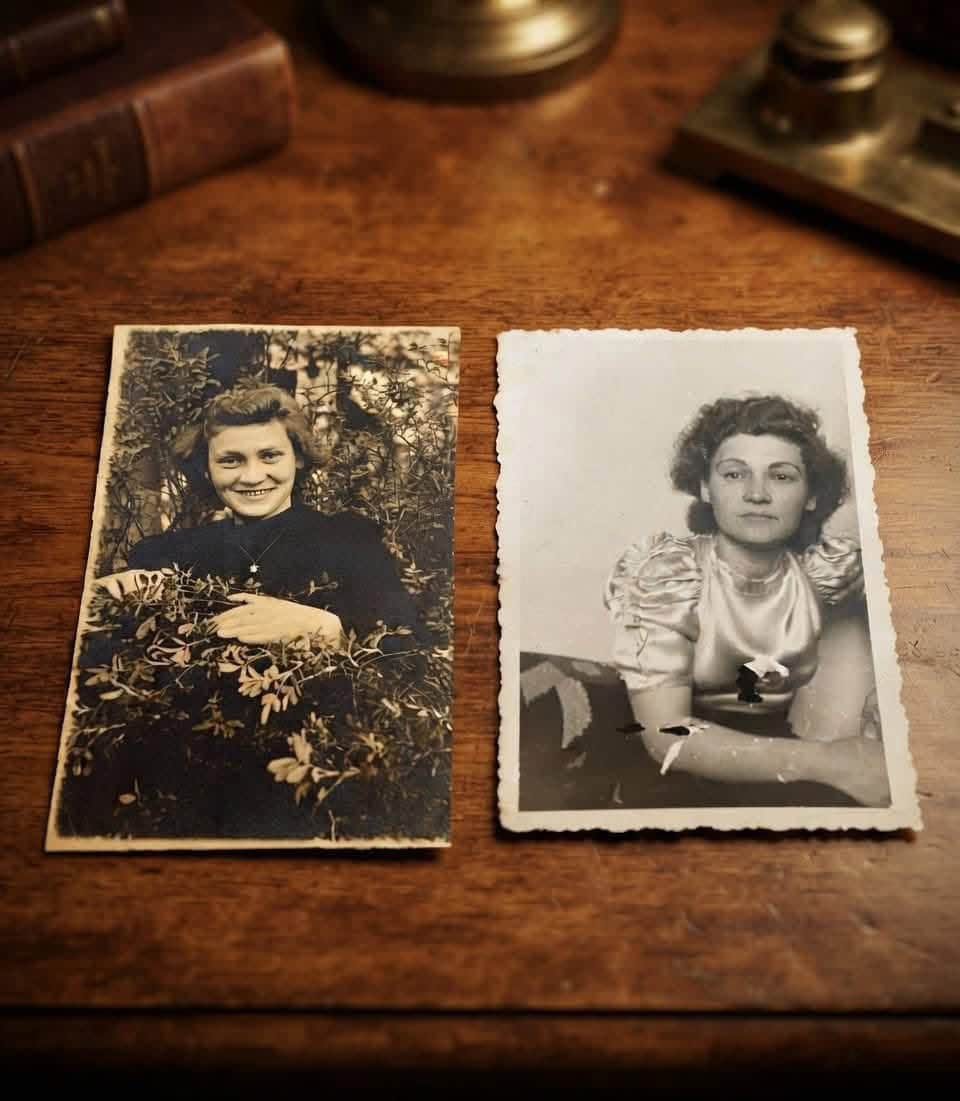
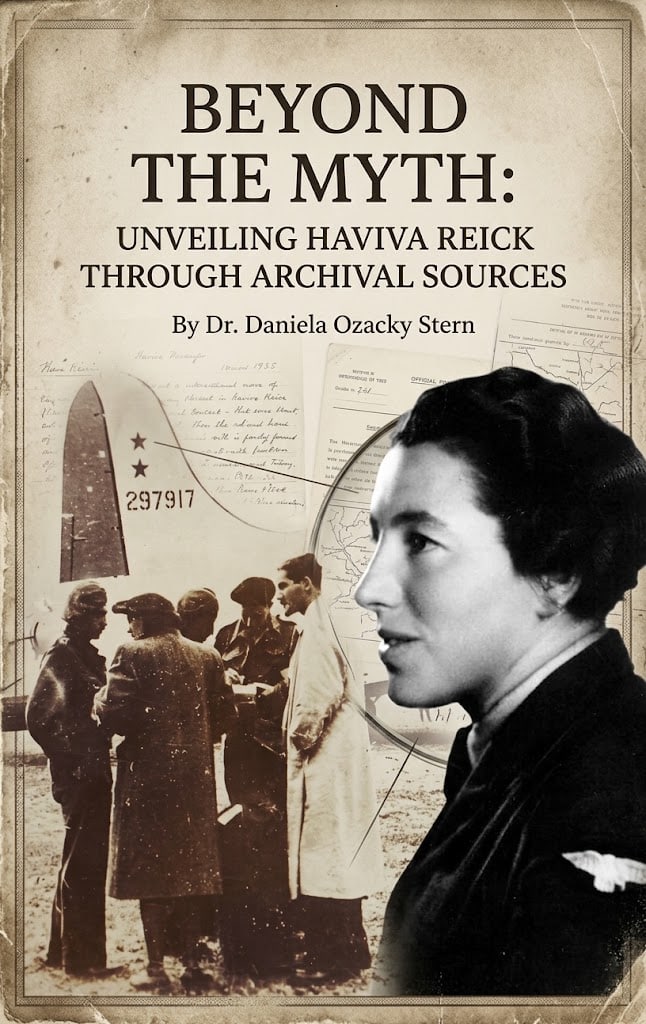
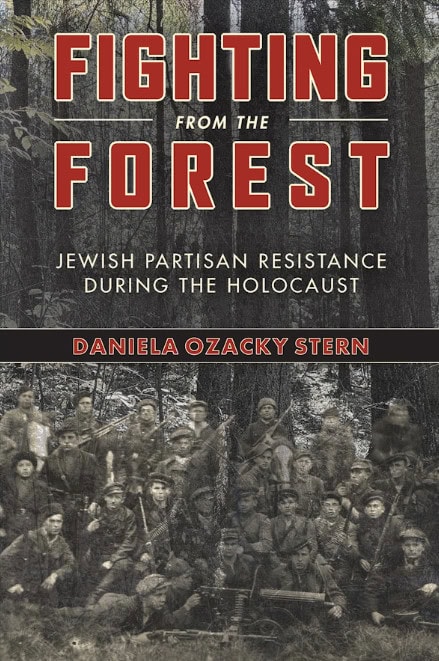
As a historian specializing in Holocaust studies and Jewish armed resistance, my professional journey has been deeply intertwined with the tangible remnants of memory—the yellowed letters, fragile photographs, clandestine diaries, and recorded testimonies of those who lived through humanity’s darkest hour. For more than a decade, I had the privilege of serving as the director and archivist of the Moreshet Archive at the Mordechai Anielevich Memorial Holocaust Studies and Research Center at Givat Haviva, Israel.
To manage an archive of this nature is far more than an administrative or technical role; it is a profound historical and moral responsibility. Moreshet was founded in 1961 by a visionary group of Holocaust survivors who were themselves ghetto fighters, partisans, and underground activists. Their objective was clear and uncompromising: to ensure that future generations would not only remember the horrors of the Holocaust, but also honor the spirit of heroic Jewish resistance—with a special emphasis on the indispensable role played by youth movements. Standing surrounded by the record groups of Moreshet, I witnessed daily how those founding ideals translated into a living, breathing reservoir of historical truth.
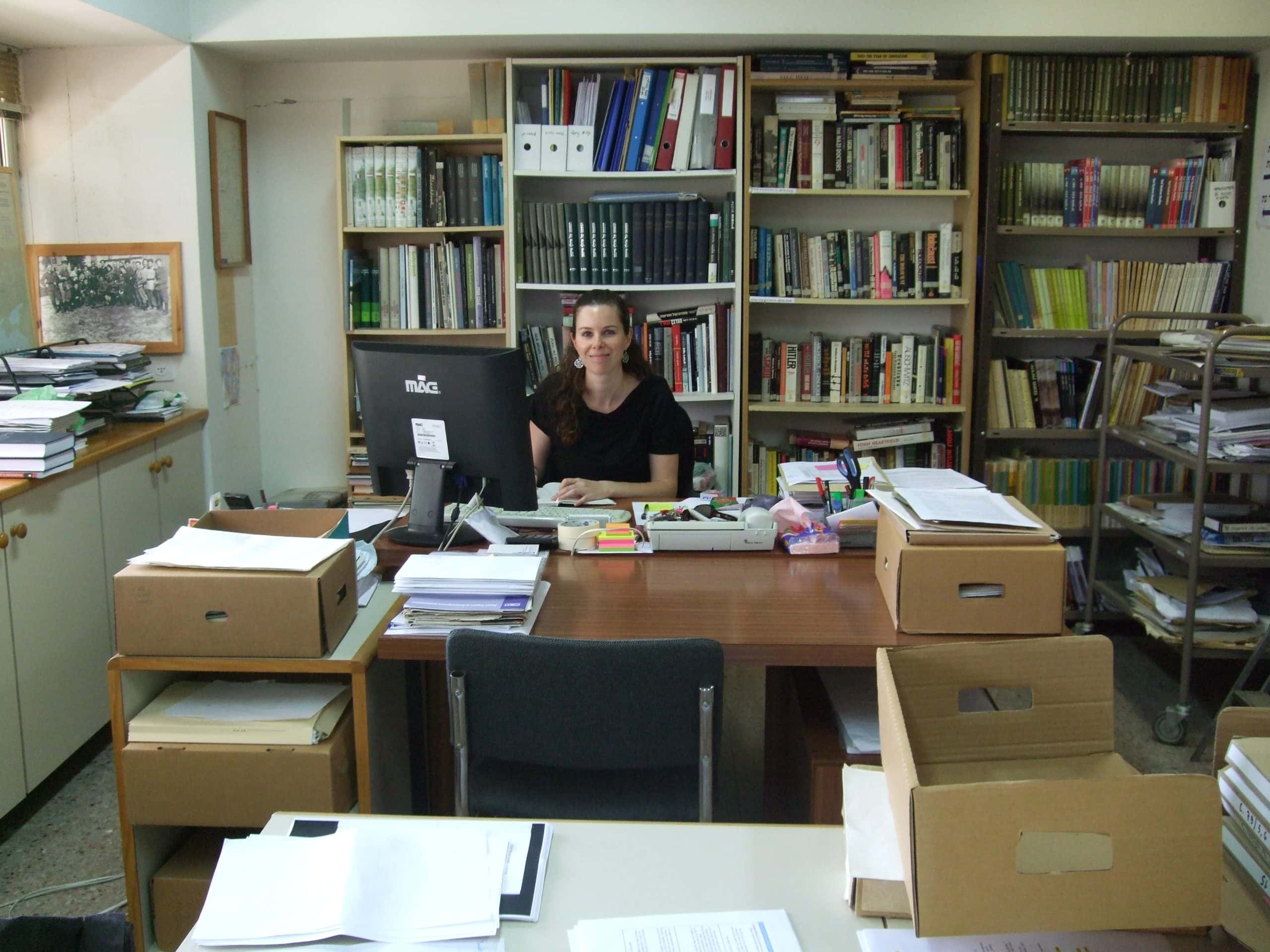
A Haven for the Sacred Artifacts of Resistance
During my tenure, I oversaw a collection that stands as one of the most significant repositories of Holocaust documentation in the world. Moreshet’s holdings offer a unique lens into armed struggle, underground escape, and spiritual fortitude.
Among the record groups, researchers and visitors encounter extraordinary original materials:
- Armed Struggle and Underground Networks: Documents detailing the fighting organization of the Vilna Ghetto, the Hungarian Zionist underground, the role of Jews in the Slovak National Uprising, and the organized rescue networks of the Brichah movement.
- Ghetto Administration and Personal Accounts: Rare, original records from the Łódź Ghetto, wartime personal diaries written under the shadow of death, and vast testimonies assembled immediately after liberation—many of which remain unpublished to this day.
- Personal Estates of Resistance Leaders and Holocaust Historians: It was a singular honor to steward the personal archives of legendary figures entrusted to Moreshet, including Abba Kovner, Ruzka Korczak, Chaika Grossman, Shalom Cholawski, Avraham Atzili, Shlomo Kless, Ephraim Ophir, and Yehoshua (Robino) Bichler.
- Visual, Audio, and Material Culture: Thousands of rare photographs depicting pre-war shtetl life and wartime destruction; works of art created in ghettos, camps, and Cyprus internment facilities; hundreds of audio cassettes and video testimonies; original memorabilia such as yellow Star of David badges; and a rich collection of Yizkor community books.
A substantial portion of this treasure trove was brought to the archive directly by the survivors themselves—camp survivors, partisans, veteran fighters, and refugees. Every folder handed over represented a deeply personal act of trust, transforming individual trauma into collective memory.
Bridging the Past and the Digital Future
When Moreshet was established in the early 1960s, archiving meant physical preservation—acid-free boxes, climate-controlled rooms, and meticulous paper catalogs. Over my decade-plus as director, I led the archive through a pivotal transition into the modern digital era.
We undertook the task of computerizing, cataloging, and digitizing our holdings. Scanning thousands of rare, high-resolution photographs, digitizing fragile magnetic audio tapes, and bringing the Moreshet Archive catalog online opened our doors to the world. A researcher in Tokyo, a student in New York, or an academic in London could now navigate our record groups and discover primary sources that were once accessible only in person at Givat Haviva. Digitization was not merely a technological upgrade; it was an act to ensure that the legacy of Jewish resistance would remain accessible to global scholarship.
During my time as director of the archive, the Moreshet Library, adjacent to the archive, continued to serve as a vital scholarly anchor, providing researchers with rare monographs, wartime journals, reference materials, and memorial books commemorating destroyed Jewish communities.
A Crossroads for Global Scholarship
As an active scholar myself, one of the most fulfilling aspects of my decade leading Moreshet Archive was engaging with the global academic community. Moreshet has always been a vibrant intellectual crossroads. Daily, I worked alongside international historians, PhD candidates, MA students, and independent researchers who came to delve into our collections.
The archival materials under my care served as the foundational bedrock for countless groundbreaking books, scholarly articles, doctoral dissertations, and documentary films. Through strategic partnerships with university research institutes in Israel and abroad, I ensured that Moreshet remained a dynamic partner in international Holocaust historiography.
Reflections on a Decade of Stewardship
Reflecting on my years at Givat Haviva, I am reminded that archives are not static dust-covered warehouses; they are active, urgent sentinels of history. In an era where eye-witnesses to the Holocaust are passing away and historical distortion poses an ongoing challenge, the physical documents preserved in the Moreshet Archive offer an incontrovertible testimony of what was lost and how courageously Jews fought back.
To have served as the guardian of these materials—to have held the original manuscripts of ghetto fighters and partisans and guided a new generation of historians through the catalogs—remains one of the defining honors of my academic career.