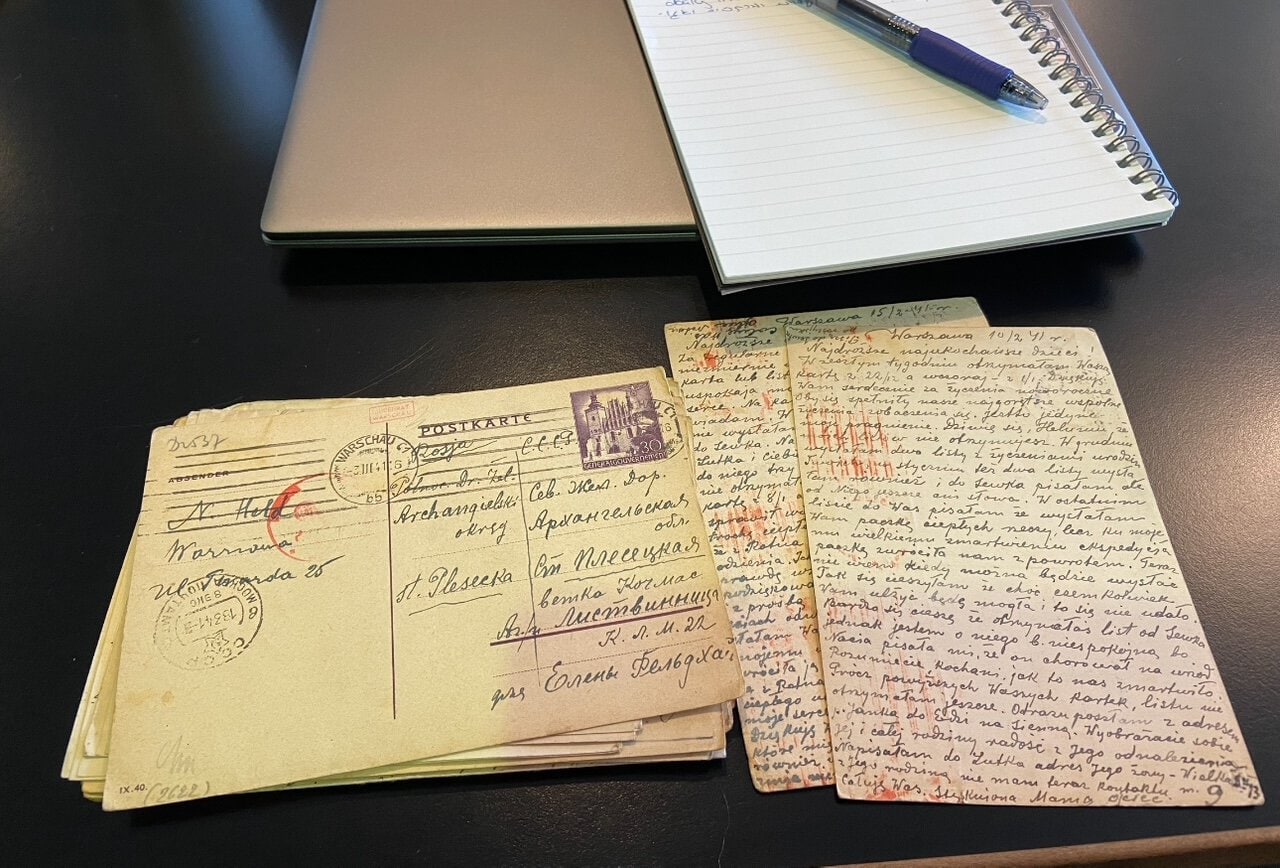
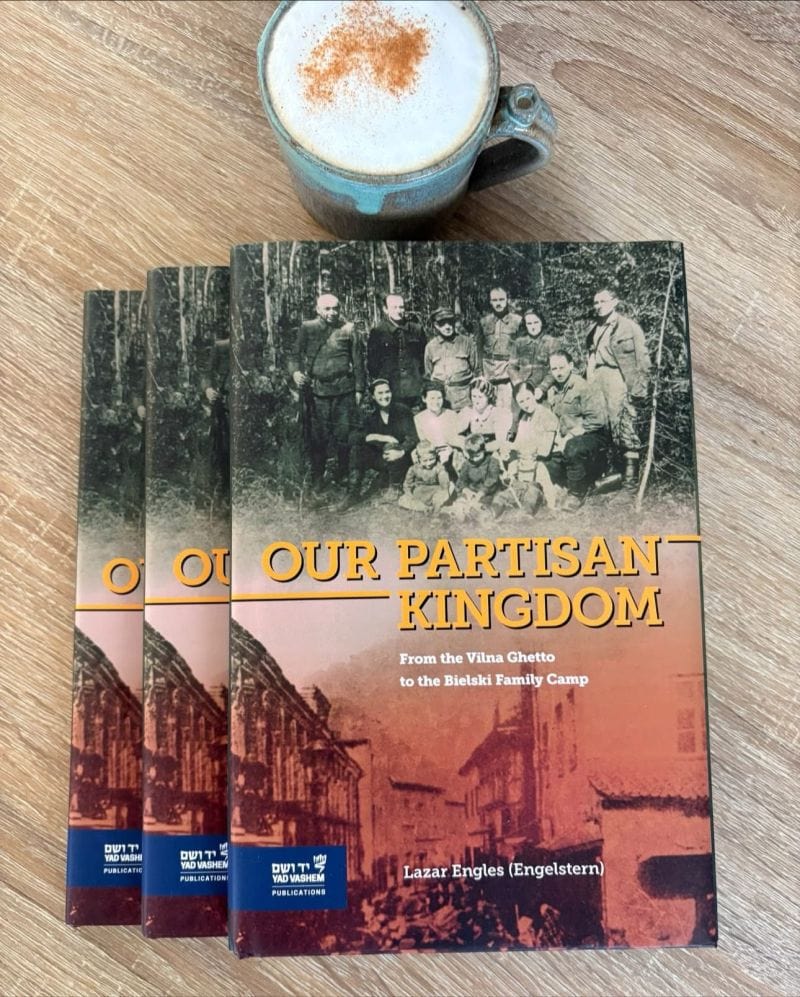
This research was conducted as part of an ongoing academic investigation into Jewish partisan movements, rescue operations, and survival strategies during the Holocaust.

The study of the Bielski partisan movement offers critical insights into the dynamics of rescue, resistance, and survival during the Holocaust. Operating within the dense forests of western Belorussia from 1942 to 1944, the Bielski group—led by Tuvia Bielski and his brothers—represented a unique paradigm in Jewish armed resistance. Unlike conventional partisan units that focused exclusively on military sabotage against Nazi forces, the Bielski camp prioritized the rescue of non-combatant Jewish lives, sheltering the elderly, women, and children. By examining ego-documents, wartime testimonies, and archival records, this research explores how the camp evolved into a self-sustaining forest community, often described as a partisan shtetl.
At its peak, the camp housed over 1,200 individuals, functioning as a complex micro-society complete with workshops for tailors, shoemakers, and blacksmiths, alongside a communal kitchen, a medical clinic, and even a school for the children. This organizational structure required a delicate balance between maintaining strict military discipline and fostering an environment of communal solidarity. While armed fighters within the unit participated in intelligence gathering, railway sabotage, and direct combat against German forces and local collaborators, the primary ideological victory of the Bielski camp lay in its refusal to surrender to Nazi extermination policies, choosing instead collective preservation.
However, the research also uncovers the multifaceted challenges and tensions that defined daily life in the forest. The Bielski partisans navigated a hostile geopolitical landscape, characterized by pervasive antisemitism from local peasant populations and complex, often precarious relationships with Soviet partisan commands. Tensions frequently arose between the imperative to protect vulnerable refugees and the demands of guerrilla warfare. Furthermore, internal discipline was rigorously enforced, occasionally resulting in severe punitive measures to maintain order within the camp. Despite these profound hardships, the forest provided a vital space where displaced individuals could reclaim their agency, dignity, and humanity.
Consequently, this research underscores the significance of the Bielski camp not merely as a military footnote, but as a monumental humanitarian achievement of the Second World War. By rescuing hundreds of Jews from the ghettos of Eastern Europe and providing them with a viable refuge, Tuvia Bielski and his followers challenged the narrative of passive victimhood. Their legacy endures as a testament to the power of resilient leadership, mutual aid, and the unyielding human will to survive against insurmountable odds.