Jews as Partisan Fighters: The Case of Belarus During the Holocaust
This lecture explores the profound metamorphosis of Jewish victims who escaped the brutal ghettos of Belarus to become fierce partisan fighters in the surrounding forests during World War II. Emerging from the horrors of the “Holocaust by Bullets” and systematic psychological terror, approximately 25,000 Jews found refuge in the wilderness. However, escaping the ghetto carried a heavy moral cost, as survivors were frequently forced to abandon their families.
Upon reaching the forests, Jewish escapees faced a triple burden of hostility, encountering antisemitism and skepticism from local populations and non-Jewish Soviet partisans. For these urban individuals, acquiring a weapon—symbolized by moments such as Reuven Leonid receiving his first gun—was a psychological turning point that transformed them from hunted victims into active agents of agency, dignity, and revenge.
Jewish partisans rapidly adapted to harsh wilderness survival and irregular warfare, establishing hidden bunkers and mastering combat skills. They engaged in sophisticated sabotage operations, including derailing German supply trains, blowing up bridges, and gathering crucial intelligence. Beyond direct combat, Jewish fighters contributed vital technical and professional skills, such as operating weapon repair workshops, while women took on active roles in combat, sabotage, and urban intelligence liaisons.
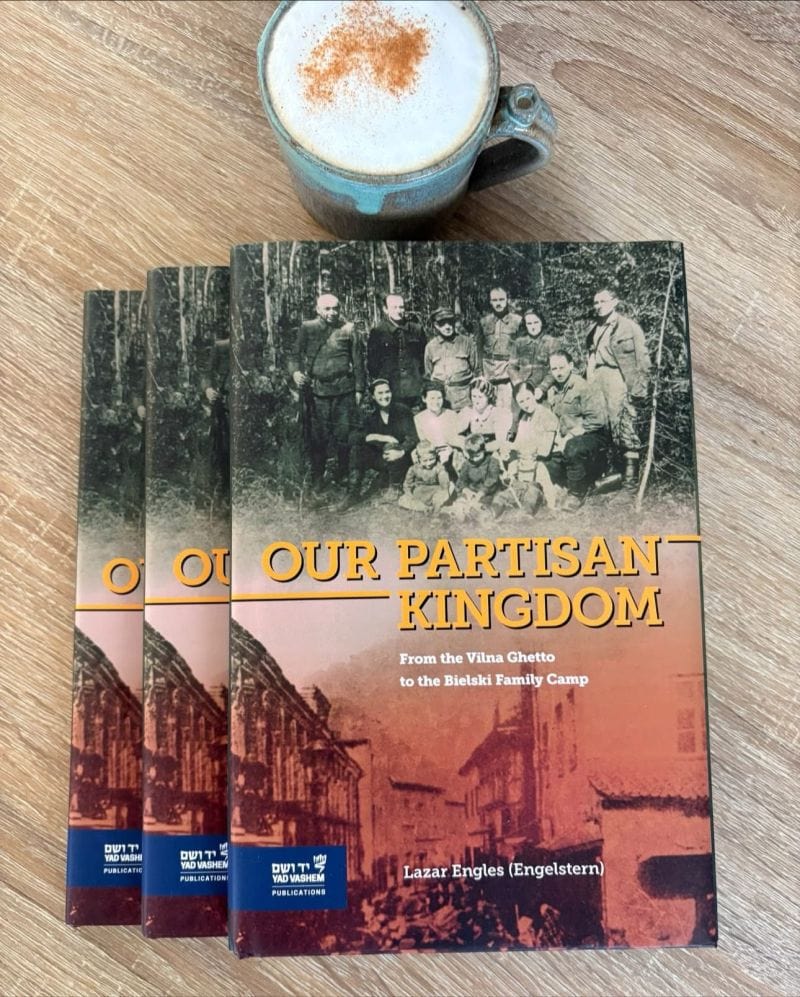
The resistance also manifested in unique structures, including family camps like those of the Bielski brothers and dedicated all-Jewish units such as the Nekama (Revenge) Battalion. Ultimately, these forest warriors challenged the passive victim narrative, reclaiming their honor and reshaping our understanding of human agency, resilience, and resistance during humanity’s darkest hour.
Watch the lecture (28:35):