This research examines the experiences of Jewish prisoners in Nazi forced labor camps in the Baltic states, with a particular focus on the camps in Estonia and Lithuania during 1944, the critical final year of Nazi occupation in those areas. Drawing primarily on survivor testimonies and historical overview, the study addresses the mechanisms of survival and resistance alongside the systematic mass murders that characterized this period.
First, the research reviews the fate of Estonian Jewry. Following the German invasion under Operation Barbarossa and the murder of the local Jewish population by Einsatzgruppe A, Estonia became “judenfrei”. Consequently, mass deportations of Jews from various locations—including Theresienstadt, the German Reich, the Vilna Ghetto, the Kovno Ghetto, Transylvania, and Latvia—began flowing into Estonian forced labor camps, such as the Vaivara complex established in the summer of 1943 to supply labor for the German war effort. Prisoners endured grueling transport and labor conditions, including laying railway tracks, digging anti-tank trenches, and performing forest work.
Alongside routine terror, abuse during roll calls, and brutal punishment systems, the prisoners developed robust networks of solidarity, spiritual resistance, and cultural activity. This included secret literary gatherings, holiday celebrations, lessons, and maintaining documentation and diaries using makeshift materials like cement bags. Prominent figures from the Vilna Ghetto who were imprisoned in the camps stand out, notably poet Hirsh Glik, spiritual leader and writer Zelig Kalmanovich (who perished in the Narva camp), and chronicler Herman Kruk (who was murdered at Lagedi just hours before the area’s liberation).
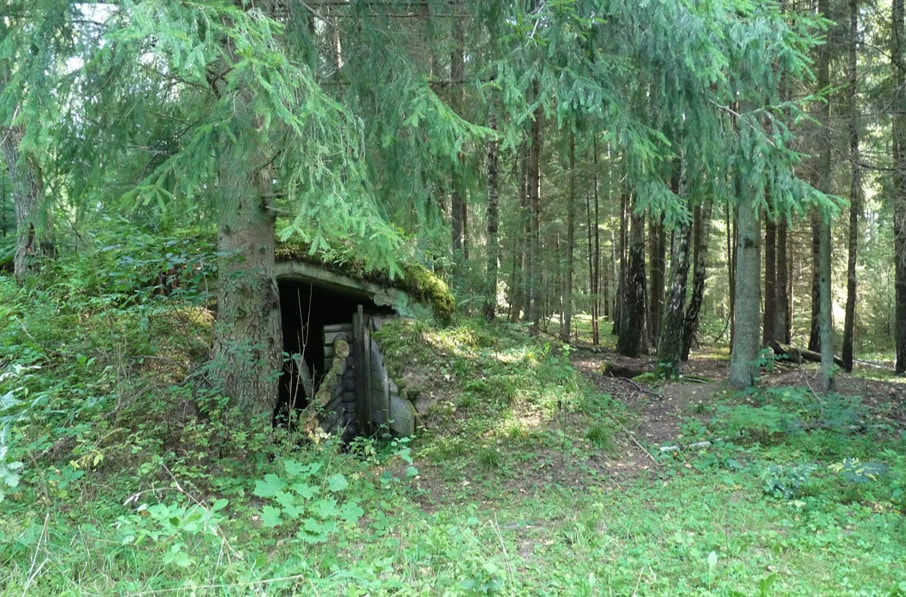
The study also examines underground resistance networks established in the Estonian camps by former members of the United Partisan Organization (FPO) from the Vilna Ghetto, such as the resistance cell in Barrack 12 at the Soski camp led by Zvi “Grisha” Tsepelevich. These undergrounds operated to preserve human dignity, coordinate daring escapes (such as the sewage channel escape at Goldfilz involving Hirsh Glik), and establish contact with forest partisans. Toward the end of the summer of 1944, as the Red Army advanced, the Nazis carried out mass liquidations and systematic body-burning at camps like Klooga and Lagedi before being liberated by Soviet forces.
Finally, the research compares these with the HKP (Heereskraftfahrpark 562) forced labor camp in Vilnius, which operated under a different framework commanded by Karl Plagge (later recognized as Righteous Among the Nations). In HKP, workers and their families maintained a complex routine that included a secret children’s school and a relative preservation of humanity, though it ultimately met a tragic end in July 1944 when most inmates were sent to Ponary. This study provides a comprehensive and deep perspective on the complex dynamics between perpetrators and victims and the conditions of survival in the final stages of the Nazi catastrophe.