The international conference “YIVO in Vilnius and the World” took place from October 19–21, 2025, in Vilnius, Lithuania, hosted at prominent venues including Vilnius University and the Martynas Mažvydas National Library of Lithuania.
Marking the centenary of the founding of the Yiddish Scientific Institute in 1925, the conference brought together scholars to explore YIVO’s monumental contributions to Jewish scholarship, education, culture, and heritage. Participants examined the institute’s role within local and international networks, its historic and symbolic presence in Vilnius, its heroic efforts to rescue cultural treasures during the Holocaust—such as the clandestine “Paper Brigade”—and its enduring legacy in contemporary Jewish studies and global heritage preservation.
“From YIVO to the Estonian Camps: Reexamining the Legacy of Zelig Kalmanovich” (1:22:50)
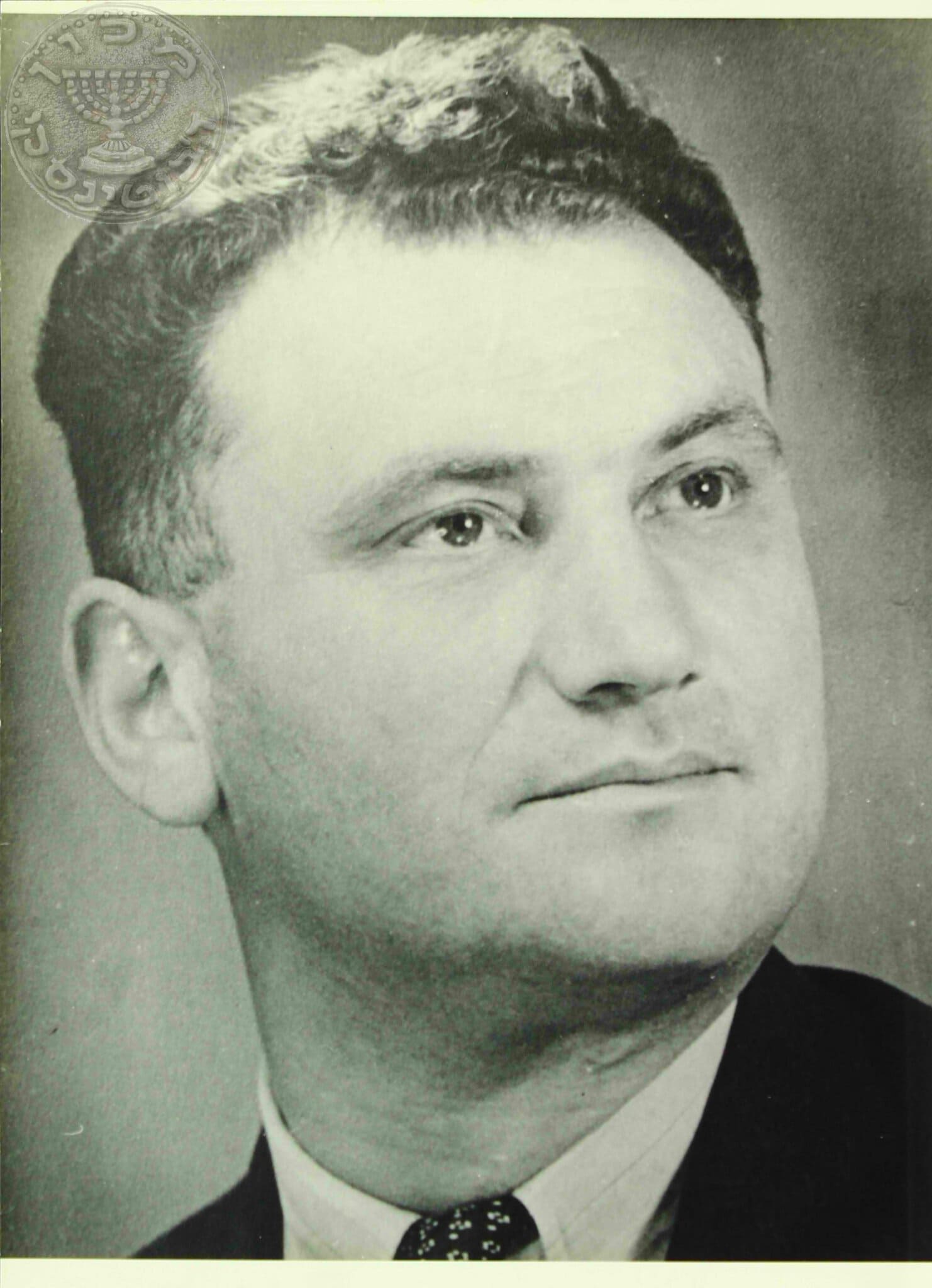
This presentation examines the life, philosophy, and enduring legacy of Zelig Kalmanovich, one of YIVO’s pioneering scholars, who served as editor-in-chief of YIVO Bletter and acted as a guiding spirit of the institute from 1929 onward. Kalmanovich embodied YIVO’s fundamental mission to preserve and advance Jewish cultural heritage through rigorous scholarship, even in humanity’s darkest hour, before ultimately perishing in an Estonian forced labor camp in 1944.
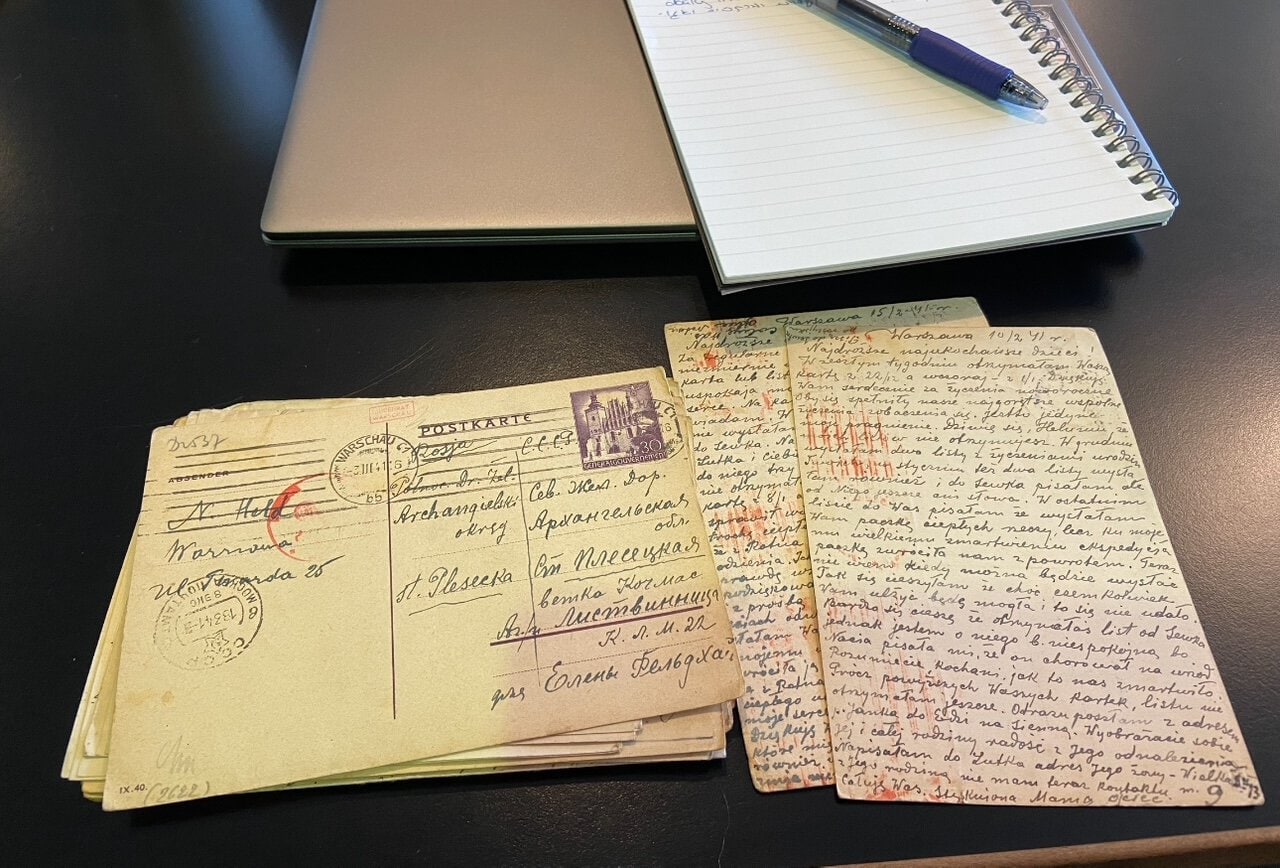
Drawing upon Kalmanovich’s personal diaries, rare correspondence, and foundational archival materials, the paper traces his intellectual trajectory from secular Yiddish scholarship to his role as a prominent intellectual voice within the Vilna Ghetto. There, he developed a unique, history-based philosophy of spiritual and cultural resilience—what this research identifies as “resistance in another way.” Rather than armed revolt, Kalmanovich advocated for preserving humanistic values and interpreting Nazi persecution within the broader continuum of Jewish history. His pivotal involvement in the clandestine “Paper Brigade,” which heroically rescued YIVO’s cultural treasures from destruction, stands as one of the most remarkable acts of cultural preservation during the Holocaust.
Furthermore, the presentation highlights how his legacy was carried forward by his only son, Prof. Shalom Luria, who emigrated to Mandatory Palestine in 1938 and later established a distinguished career as a Yiddish literature scholar in Israeli universities. By exploring Kalmanovich’s profound personal and intellectual journey, this paper contributes to a more nuanced understanding of YIVO’s history, its tragic wartime chapter, and its lasting significance for global Jewish heritage.