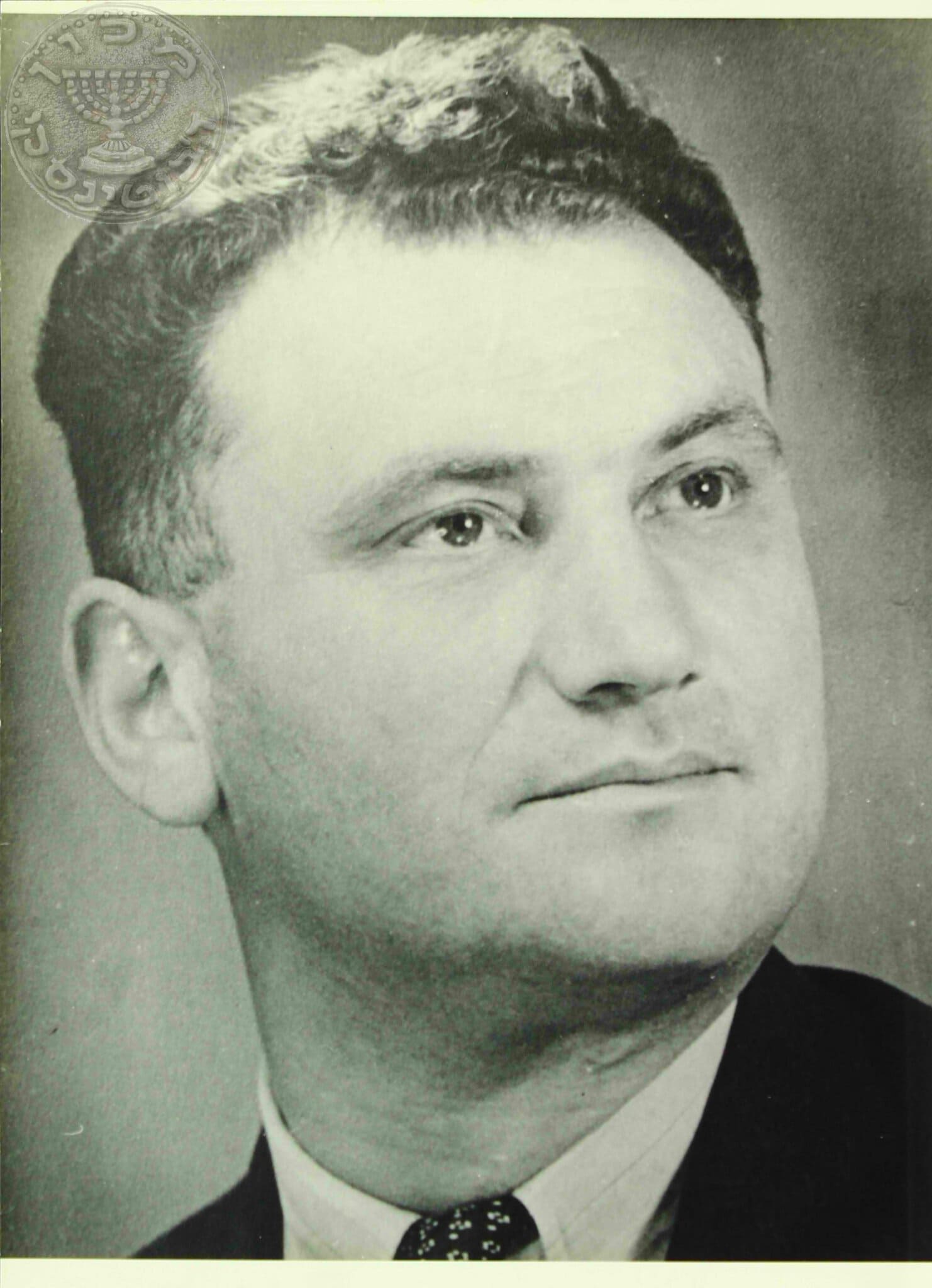
This lecture explores the complex nature of historical and moral responsibility through the work of Israeli historian Shlomo Aharonson and his research on Reinhard Heydrich, the chief architect of the Holocaust. Built around three encounters—Aharonson’s 1964 interview with Heydrich’s widow, Heydrich’s own transformation from a disgraced naval officer into a genocidal mastermind, and a 2019 neo-Nazi terrorist attack in Heydrich’s birthplace of Halle—I examine how ordinary ambition, careerism, and institutional loyalty can enable mass murder.
Aharonson’s scholarly journey, including his hazardous clandestine trip to East Germany to investigate Heydrich’s background, led him to challenge simplistic notions of absolute demonic evil. Instead, he argued that figures like Heydrich were careerists who grew radicalized within a totalitarian apparatus. Lina Heydrich’s chilling recollections—portraying her husband as a dutiful, music-loving professional who wept while playing Bach yet would have danced with a corpse if ordered—underscore the unsettling reality of the “banality of evil.”
Ultimately, the lecture connects the mechanisms of the Third Reich to contemporary antisemitism, such as the 2019 Halle synagogue shooting. It concludes that studying the Holocaust is not merely an exercise in passive memory, but an urgent, ongoing call to examine human choice, institutional compliance, and shared moral responsibility.